
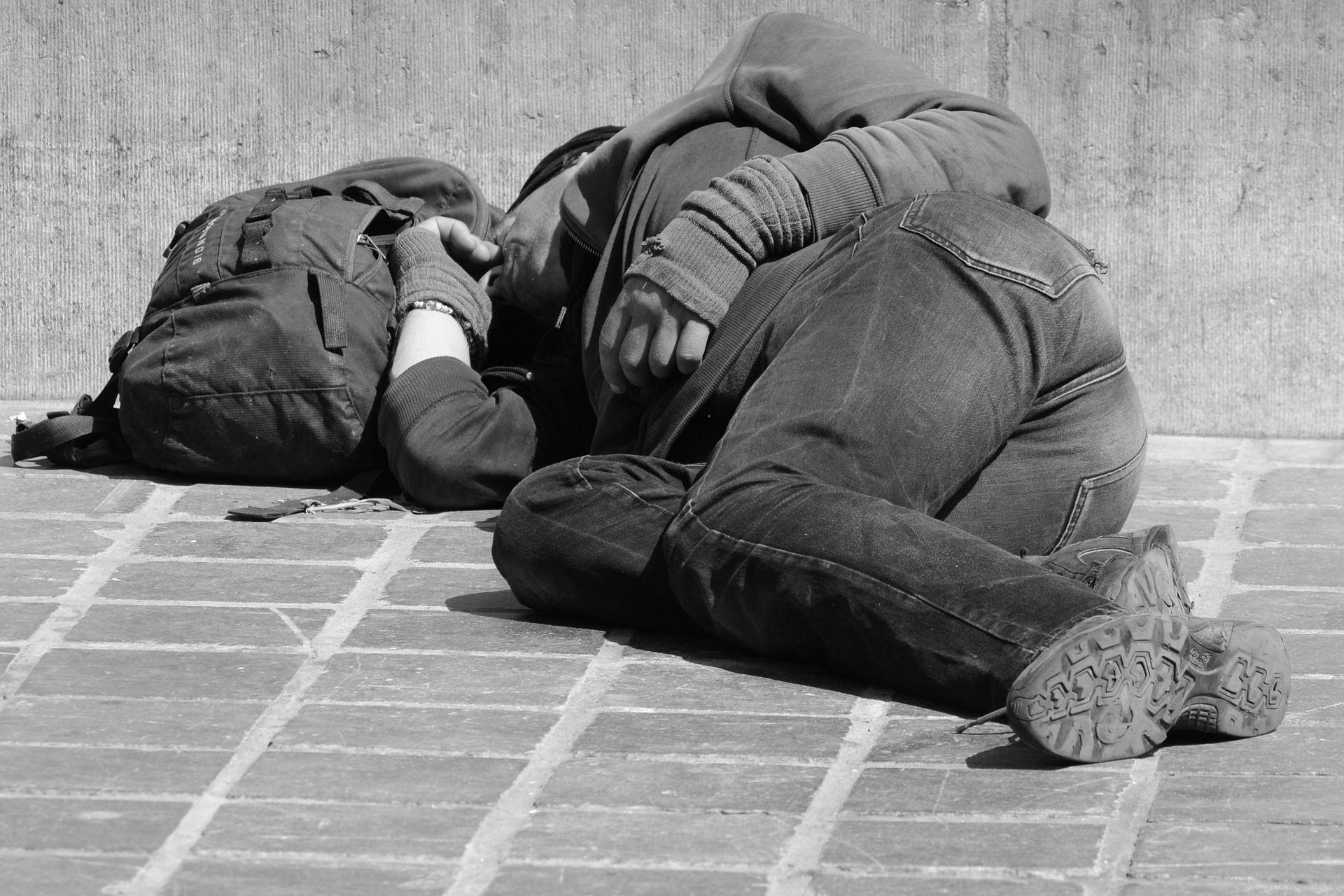
Homelessness in Australia is a persistent policy and social challenge that combines demographic change, housing market dynamics, and long-standing regional inequalities. This piece outlines the scale of the problem, highlights how the Northern Territory differs from the national picture, and sets out evidence-based implications for policy and practice.
Scale and Recent Trends
On Census night in 2021, 122,494 people were estimated to be experiencing homelessness in Australia — an increase of 5.2% in absolute numbers since 2016. That count remains the primary national benchmark for estimating the scale of homelessness.
Population-adjusted measures reveal sharp geographic variation. Nationally, the 2021 rate was about 48 people per 10,000. By contrast, the Northern Territory recorded 564 people per 10,000 — the highest rate of any jurisdiction. These differences make clear that national aggregate figures conceal concentrated regional crises.
564
per 10,000 — NT rate
48
per 10,000 — National rate
1,865
per 10,000 — Indigenous rate in NT
For Aboriginal and Torres Strait Islander peoples, the disparity is particularly acute. In the NT, the Indigenous homelessness rate in 2021 was reported as 1,865 people per 10,000 — a level that speaks to the intersection of overcrowding, dispossession and inadequate housing infrastructure in many remote and regional communities.
What Frontline Data in the NT Shows
Specialist homelessness service (SHS) reporting for the NT describes client profiles that differ from inner-city perceptions of "rough sleeping." Many clients present with severe overcrowding, are escaping family and domestic violence, are young people leaving care, or are exiting custodial settings. A substantial share requires tenancy sustainment, long-term supported housing or culturally-tailored responses rather than only short-term accommodation.
Human and Health Consequences
Beyond immediate housing insecurity, the evidence indicates serious downstream health consequences. There is a marked rise in deaths among people who have experienced homelessness, with preventable causes — suicide, accidental poisoning or overdose — prominent, and an average age of death well below national norms. These findings shift the issue from one of housing supply to one of an urgent public-health priority.
Key Structural Drivers
01 Insufficient Social and Community Housing Supply
Census and policy briefs show declining social housing stock relative to need and a growing affordability gap in rental markets — pressures that disproportionately affect low-income and regional households.
02 Regional and Cultural Dynamics in the NT
Remote and regional housing markets operate differently: mobility, extended household structures and cultural obligations influence occupancy and create higher measured rates of homelessness and severe overcrowding.
03 Service Fragmentation and Short-termism
Many responses remain episodic — crisis accommodation, short-term brokerage — rather than offering long-term tenancy support, culturally-appropriate housing or integrated health supports, resulting in repeated returns to homelessness for some cohorts.
Implications for Policy and Practice
Scale culturally-led, long-term housing supply in the NT
Increasing social and community housing with Indigenous governance and local co-design reduces overcrowding and aligns housing with cultural needs.
Prioritise tenancy sustainment and prevention
Programs that prevent tenancy loss — legal assistance, rent-bridging, intensive casework — are generally lower cost than cycling people through emergency systems.
Integrate housing with health and justice pathways
Housing interventions must be coupled with mental-health, substance-use and re-entry supports for people leaving custody.
Improve data systems for mortality and outcomes
Better tracking of deaths and outcomes for people who experience homelessness will sharpen policy responses and make it possible to evaluate impact.
Conclusion
The evidence base is clear: homelessness in Australia is both a national issue and a set of concentrated regional crises. Nowhere is that more evident than in the Northern Territory, where rates are many times the national average and where Indigenous Australians are disproportionately affected. Addressing the problem requires durable housing supply, culturally-appropriate program design, integrated health and justice supports, and systems that prioritise prevention and measurement. Framed as a policy challenge rather than a charity, homelessness becomes tractable — but only with targeted, sustained and locally-led action informed by the data.